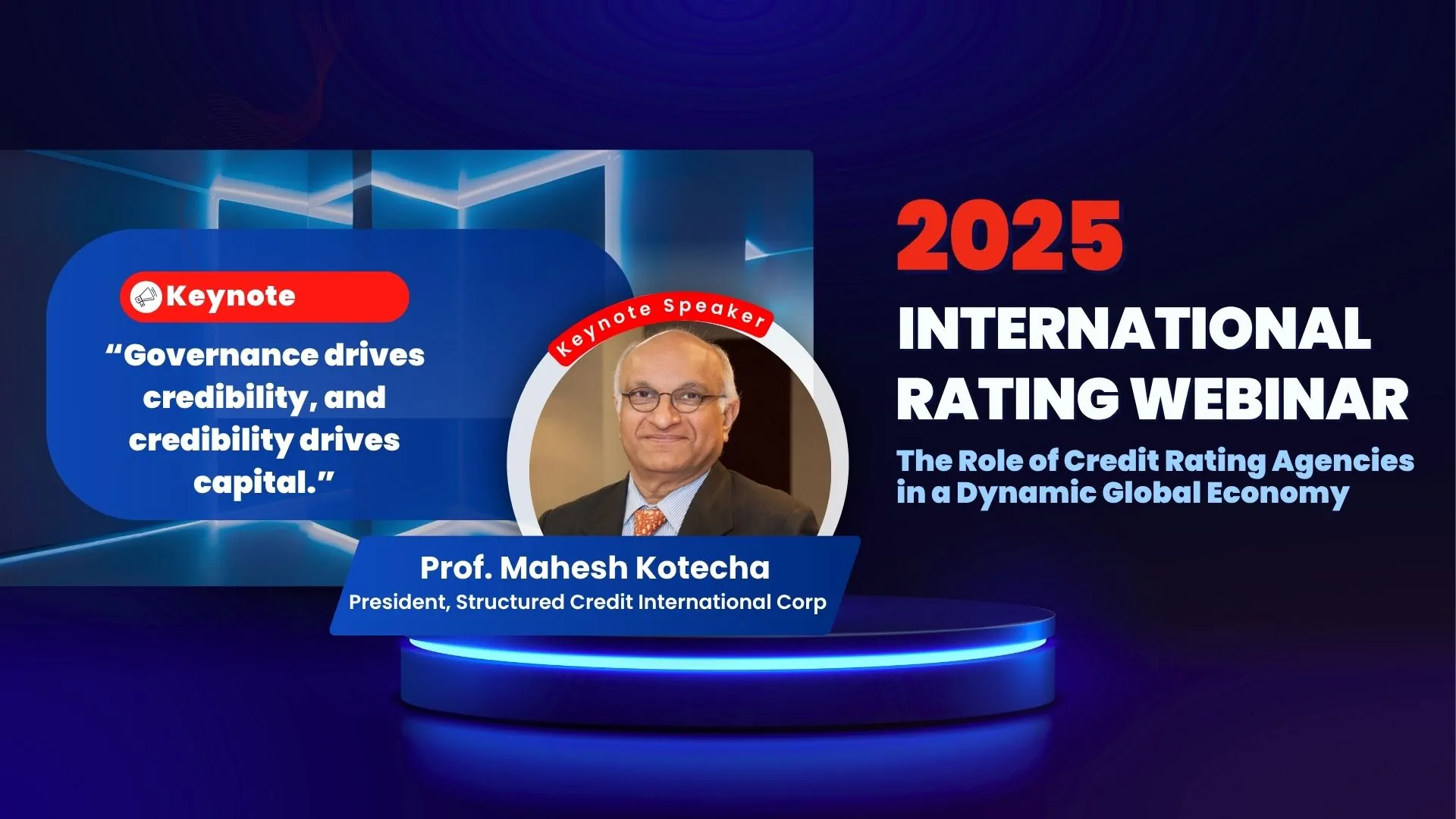
“Governance drives credibility, and credibility drives capital.”
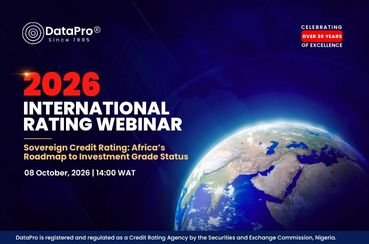
That was the central message delivered by Professor Mahesh K. Kotecha, CFA, President and Founder of Structured Credit International Corp., as he addressed global financial experts at the DataPro International Rating Webinar.
Speaking on the theme “Leveraging Credit Rating for Economic Growth in Developing Countries”, Kotecha drew a striking comparison between the world’s largest economy, the United States, and one of its most dynamic emerging markets, Nigeria, to illustrate a simple but powerful truth – governance matters.
A Tale of Two Fiscal Paths
When the United States’ last AAA credit rating was downgraded earlier this year, it sent shockwaves through the global financial system. It was a sobering reminder that no country, no matter how powerful, is immune to the consequences of fiscal indiscipline. Yet, halfway across the world, Nigeria’s narrative was shifting in the opposite direction—credit upgrades from international rating agencies were signaling a slow but steady climb back to credibility.
“The message is clear,” Kotecha said. “Governance matters — not just in theory, but in credit ratings, borrowing costs and ultimately in the confidence of investors.”
The Role of Credit Ratings
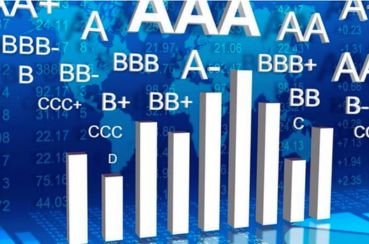
“Credit ratings are not a mere numbers game,” Kotecha began. “They are independent and credible opinions of creditworthiness that bridge information gaps, provide a common language between issuers and investors, and promote transparency and discipline in financial management.”
“They reflect a country’s fundamentals, but they can also catalyse reform,” Kotecha noted.
Africa’s Journey: Progress and Pain Points
Kotecha’s connection to Africa’s rating journey runs deep. As part of the team behind the first credit rating for the African Development Bank in 1984, he has seen how sovereign ratings opened new financial frontiers for the continent.
Today, over 30 African countries hold sovereign ratings, unlocking access to over $300 billion in Eurobond issuances over the past two decades. These ratings, he noted, have become both a “passport to international capital” and a “benchmark for investors on governance and reforms.”
Yet challenges persist. Too few African countries boast investment-grade ratings, and many remain vulnerable to commodity shocks, data gaps, and institutional weaknesses. Debt statistics, Kotecha warned, are not always reliable—Senegal’s recent downgrade, following the revelation of understated indebtedness, is a case in point.
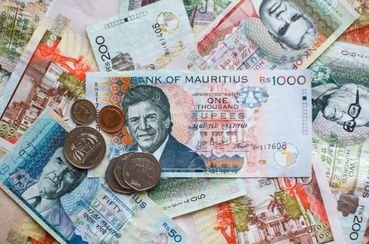
Still, the continent’s progress is undeniable. Countries like Mauritius and Botswana stand as beacons of what’s possible: nations that built investor trust through prudent fiscal management, economic diversification, and good governance. Both countries anchored their progress in good governance, democratic traditions, and institutional credibility, Kotecha explained.
The Path Forward
Looking ahead, Kotecha laid out a roadmap for emerging markets seeking to leverage credit ratings for growth:
- Strengthen local rating agencies and foster regional cooperation.
- Improve data transparency and fiscal reporting.
- Deepen domestic capital markets to mobilise local savings.
- Support African-owned rating initiatives built on independence and analytical rigour.
- And finally, commit to good governance.
As he concluded, Kotecha left the audience with both a challenge and an invitation:
“Credit ratings are not perfect, but they are indispensable. If leveraged wisely, they can transform developing economies. Without governance and reform, even the mightiest can falter. The opportunity is before us—to turn ratings into bridges for transparency, resilience and growth.”