
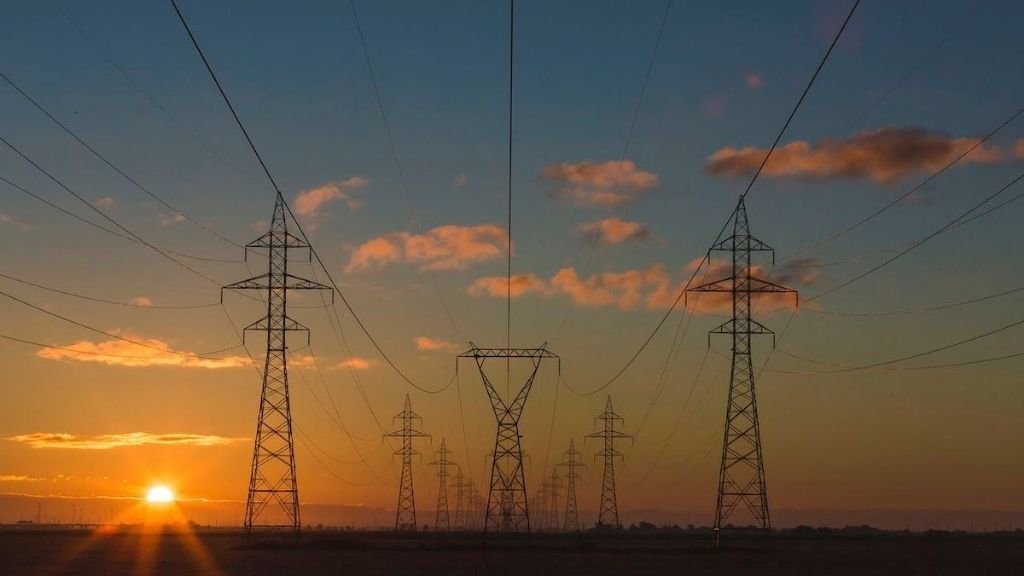
Electricity in Nigeria is more than infrastructure; it is deeply tied to productivity, investment, jobs and everyday life. Yet decades after reforms and privatization efforts, the power sector continues to struggle under the weight of mounting debts, liquidity shortages, weak investor confidence and an endless cycle of financial intervention.
At first glance, a credit rating may seem far removed from the country’s electricity challenges. After all, ratings do not generate megawatts or repair transmission lines. But in reality, they may hold one of the keys to unlocking the long-term capital and investor confidence the sector desperately needs.
A Sector Trapped in a Cycle
Nigeria’s power sector has increasingly become a market sustained by intervention. Distribution Companies (DisCos) often struggle to recover enough revenue from customers. As collections weaken, payments across the electricity value chain become disrupted. Generation Companies (GenCos) are not fully paid. Gas suppliers face delays. Debt obligations pile up. Government eventually steps in with support measures, guarantees, refinancing programmes, or bailout arrangements to stabilize the system. Then the cycle repeats itself.
The challenge is no longer simply about generating electricity. It is increasingly about financing the sector sustainably. Industry estimates suggest that trillions of naira in obligations have accumulated across the market over the years, with fresh shortfalls emerging annually. Investors and lenders naturally become cautious in an environment where revenues are uncertain, and repayment structures appear fragile.
For many financiers, the central question becomes simple: How do you invest confidently in a market where cash flows remain unpredictable? This is where credit ratings enter the conversation.
The Confidence Gap
One of the biggest problems facing Nigeria’s power sector is not just an electricity gap but also a confidence gap. Investors are often willing to fund infrastructure where risks are transparent, measurable and properly managed. What makes many hesitant about Nigeria’s power sector is the difficulty in clearly assessing those risks. Credit ratings help bridge that gap.
Separating Stronger Players from Weaker Ones
The power sector is often viewed as one large high-risk industry. But not every operator carries the same level of risk. Some companies may have stronger collection systems, healthier balance sheets, better management structures, or more stable contractual arrangements than others. Without independent assessments, investors may simply avoid the sector altogether rather than attempt to distinguish stronger credits from weaker ones.
Credit ratings help create that distinction.
A well-rated power sector entity stands a better chance of attracting funding because investors can assess its strengths more objectively. Rather than relying solely on assumptions or government backing, lenders can make decisions based on structured financial analysis and independent risk evaluation. Over time, this can help channel capital toward more efficient and better-managed operators.
Why Long-Term Capital Matters
One of the structural problems in Nigeria’s infrastructure financing landscape is the mismatch between long-term projects and short-term funding. Power projects require patient capital. Transmission infrastructure, metering programmes, renewable energy investments and generation expansion are not projects that yield immediate returns within a few months. Yet many financing arrangements available within the domestic market remain relatively short-term. This creates refinancing pressure and contributes to recurring liquidity stress.
Credit ratings can help broaden access to longer-tenor financing instruments such as infrastructure bonds, green bonds and corporate debt issuances. A stronger credit profile may also reduce borrowing costs by giving investors greater confidence in repayment prospects.
In effect, ratings can help transform financing conversations from:
“Is this sector too risky?” to “How should this risk be priced?” That distinction is critical.
Beyond Bailouts
Government interventions have repeatedly helped prevent deeper crises within the power sector. However, long-term sustainability cannot depend indefinitely on refinancing programmes and emergency support. A commercially viable electricity market requires institutions capable of attracting private capital on the strength of their own financial credibility.
The rating process itself often pushes institutions toward stronger governance, improved financial disclosure, better risk management and greater operational discipline. These are qualities investors actively look for when deploying capital into infrastructure markets.
Importantly, ratings also create accountability. They provide continuous market signals regarding the financial health and stability of issuers, helping investors monitor risk more effectively over time.
Powering More than Electricity
The conversation around Nigeria’s power sector is ultimately bigger than electricity supply alone. Reliable power influences manufacturing output, digital innovation, healthcare delivery, education, employment and national competitiveness. It affects the cost of doing business and the attractiveness of the economy to both domestic and foreign investors.
Unlocking the sector, therefore, requires more than turbines, cables and transformers. It requires financial credibility. Credit ratings may not solve every challenge confronting the industry. Tariff reforms, metering gaps, energy theft, transmission bottlenecks and policy consistency remain essential issues. But ratings can help build the trust and transparency needed to mobilise the long-term investment capable of transforming the sector.
For a market long constrained by uncertainty, that confidence may prove just as important as the electricity itself.






Leave A Comment