
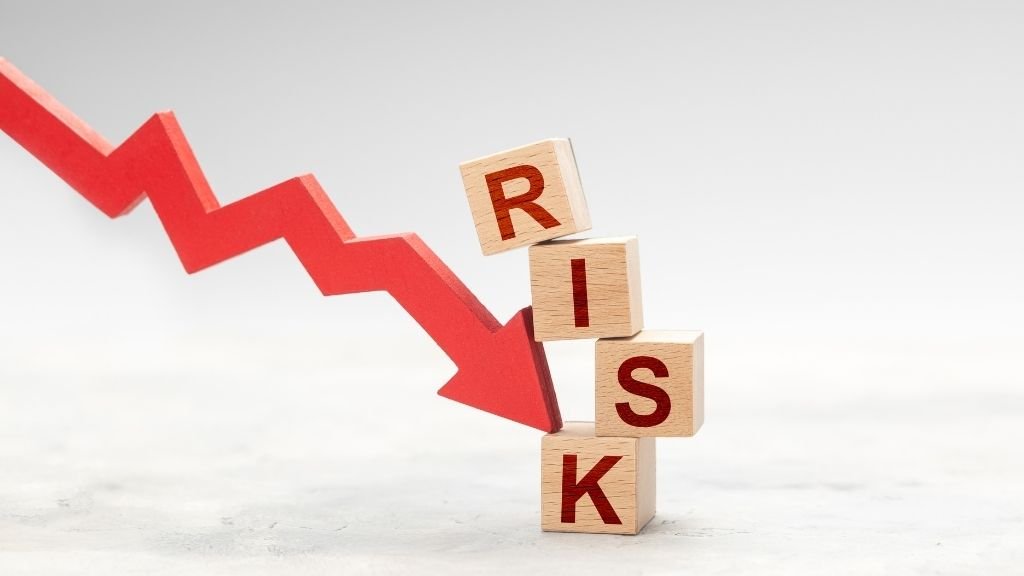
When people think about credit ratings, financial indicators such as revenue, profitability, liquidity, and debt repayment capacity usually come to mind first. While these factors remain important, they do not tell the full story.
A company may report strong earnings today yet still face pressure on its credit profile because of operational weaknesses capable of threatening future stability. This is why Credit Rating Agencies (CRAs) pay close attention not only to financial performance but also to operational risk. Although these risks may initially appear operational, they often translate into financial consequences that can affect an issuer’s ability to meet its obligations.
Key Operational Risks Considered in Credit Rating Assessments
Weak Governance and Internal Controls
Governance plays a critical role in operational stability. Weak oversight structures, poor internal controls, and ineffective risk management frameworks increase the likelihood of fraud, compliance failures, and operational inefficiencies.
Technology and Cybersecurity Risk
As businesses become increasingly dependent on technology, operational resilience has become closely linked to digital infrastructure.
A prolonged system outage in a telecom company, for instance, may lead to customer losses, service disruptions, and reputational damage. In the financial sector, cyberattacks or payment system failures can undermine customer confidence within a very short period. Consequently, CRAs increasingly assess how well companies manage technology-related risks and whether adequate safeguards are in place.
Regulatory and Compliance Risk
Failure to comply with regulatory requirements can lead to penalties, sanctions, lawsuits, or operational restrictions. This is particularly important in regulated sectors such as banking, insurance, pensions, telecommunications, and energy. A company with repeated compliance breaches may face higher operational uncertainty, which can negatively influence its credit profile.
Human Capital and Management Risk
The quality of management and personnel also influences operational effectiveness. High employee turnover, poor succession planning, or overdependence on key individuals may create vulnerabilities within an organization. Rating agencies therefore assess management quality, experience, and the organisation’s ability to maintain operational continuity during periods of change.
Business Continuity and Infrastructure Challenges
In emerging markets such as Nigeria, operational risks are often intensified by infrastructure and environmental challenges.
Manufacturers may face unstable power supply, logistics companies may encounter transportation bottlenecks, while energy companies may deal with pipeline vandalism or disruptions to operations. Companies that demonstrate strong contingency planning and operational resilience are generally viewed more favorably from a credit perspective.
Operational Risk and Financial Performance
Operational risk becomes particularly significant when it begins to affect financial performance directly. Frequent disruptions may lead to declining revenues, rising operational costs, weakened cash flows, customer losses, reputational damage, regulatory penalties, and increased refinancing pressure.
Over time, these pressures may reduce an issuer’s financial flexibility and negatively impact its ability to service debt obligations.
Growing Importance of Operational Resilience
In today’s business environment, operational risk has become more prominent due to increasing digitalisation, evolving regulatory expectations, and rising stakeholder scrutiny.
A single operational failure can spread rapidly through social media, damage reputation, trigger regulatory action, and affect investor confidence within hours.
As a result, companies are investing more heavily in enterprise risk management systems, cybersecurity infrastructure, internal control frameworks, business continuity planning, staff training, and governance enhancement.
These measures not only improve operational stability but also strengthen overall credit quality.











Leave A Comment