
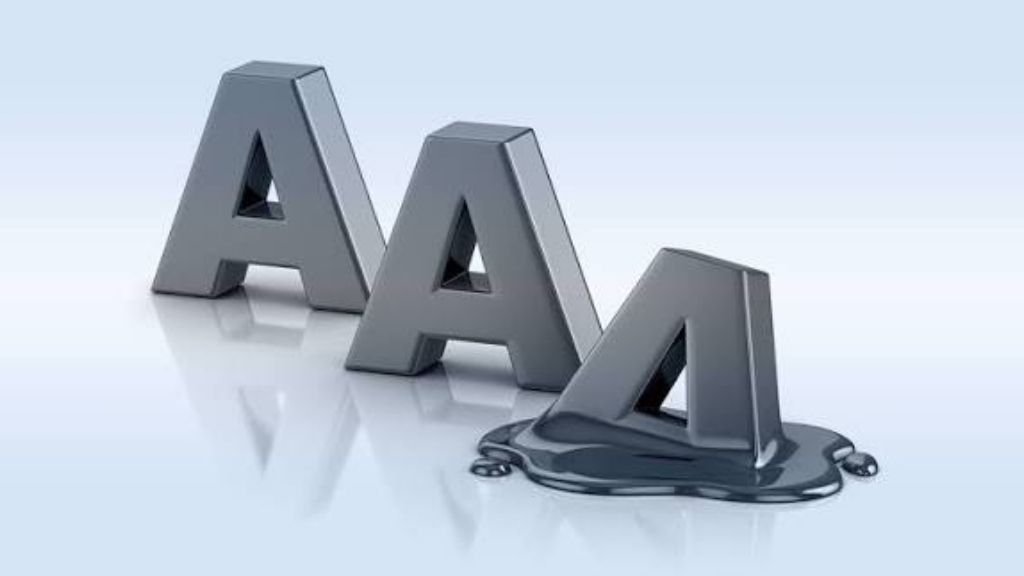
A credit rating downgrade is more than a change in an issuer’s rating. It signals that something has changed in its ability to meet its financial obligations. For issuers, this can mean higher funding costs and greater scrutiny, while investors and lenders may need to reassess their exposure.
But what causes a downgrade and how does it happen?
What Can Trigger a Credit Rating Downgrade?
A downgrade rarely happens because of one bad number or one difficult event. More often, it reflects a build-up of pressures that begin to weaken an issuer’s financial position or ability to manage risk.
-
Weakening Financial Performance
Financial performance is one of the first places to look. Falling revenue, declining margins, losses, weaker cash flows or deteriorating asset quality can weaken an issuer’s ability to meet its obligations.
For financial institutions, rising non-performing loans, higher impairment charges or pressure on capital and liquidity can have a similar effect. A single weak period may not be enough, but material and persistent deterioration can become a credit concern.
-
Rising Leverage and Debt-Service Pressure
Debt can support growth, but too much borrowing can leave an issuer with less room to absorb financial pressure. Where debt rises faster than earnings or cash flows, or interest costs become increasingly difficult to manage, credit risk can increase.
For sovereigns, rising public debt and debt-service costs can similarly put pressure on fiscal flexibility and increase refinancing risks.
-
Adverse Economic Conditions
Sometimes, the pressure comes from outside the issuer. Economic slowdowns, high inflation, elevated interest rates, currency depreciation and external pressures can affect revenues, costs, cash flows and access to funding.
The impact depends on how well the issuer can absorb the pressure. Strong liquidity and manageable debt can provide a buffer, while limited financial headroom can leave an issuer more exposed.
-
Liquidity and Funding Pressure
An issuer can be profitable and still struggle to meet its obligations. Declining cash reserves, difficulty refinancing maturing debt, or restricted access to funding can create significant liquidity pressure.
This makes an issuer’s ability to generate cash and secure funding an important part of its credit profile.
-
Industry and Business Risk
What happens in an issuer’s industry can be just as important as what happens within the business. Regulatory changes, technological disruption, supply-chain constraints, changing customer preferences, intense competition or declining demand can put pressure on revenue and profitability.
The risk becomes greater where an issuer is heavily exposed to a vulnerable product, market or customer segment.
Other factors can also contribute to a downgrade, including weak governance, management failures, regulatory or legal issues, political instability and external shocks such as geopolitical events or commodity-price movements. Their significance depends on how materially they affect the issuer’s financial position and ability to meet its obligations.
How Does a Credit Rating Downgrade Happen?
So, does one bad financial result automatically lead to a downgrade? Not necessarily.
When developments that could materially affect an issuer’s creditworthiness emerge, the issuer’s overall credit profile is reassessed. The focus is on the bigger picture: How serious is the deterioration? How long is it likely to last? What caused it? And does the issuer have the capacity to recover?
A temporary setback may not lead to a downgrade if the issuer has sufficient liquidity, manageable debt and financial buffers. Conversely, a moderate deterioration may be more concerning where financial flexibility is already limited.
This is why credit ratings are forward-looking. They consider not only what has happened, but also where the issuer’s credit profile is heading.
A Downgrade is a Signal, not a Sentence
A downgrade signals that an issuer’s credit profile has weakened, but it does not mean default is inevitable. It highlights areas of concern and allows management, investors and lenders to reassess the issuer’s financial position and prospects.
Ultimately, the rating action is only part of the story. What changed, why it changed and what happens next are the questions that matter most. Understanding these factors can help issuers identify pressure points early and enable investors and lenders to make better-informed credit decisions.










Leave A Comment