
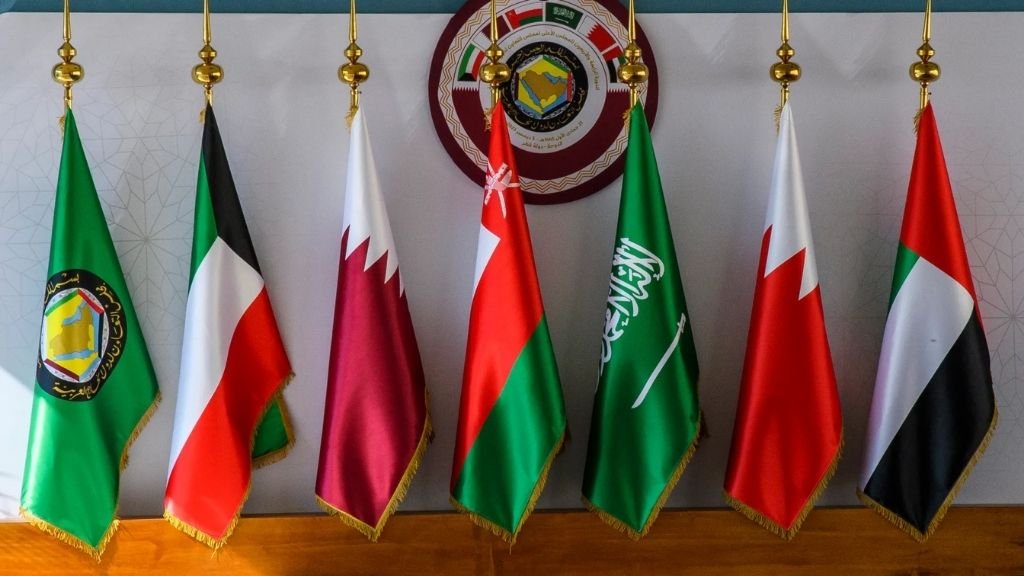
The Gulf Cooperation Council (GCC) offers an interesting perspective on what it takes for a sovereign to achieve and sustain an investment-grade credit profile. Five of its six members, the United Arab Emirates, Qatar, Kuwait, Saudi Arabia and Oman, currently have investment-grade ratings. Their ratings range from ‘AA’ for the UAE and Qatar to ‘BBB-’ for Oman. While oil and gas resources provide an important economic advantage, the experience of these countries shows that resource wealth alone does not determine sovereign credit quality.
Building Buffers During Stronger Periods
One of the clearest features of the stronger-rated Gulf sovereigns is the financial strength built during periods of high oil and gas revenues. The UAE and Qatar, for example, have accumulated substantial sovereign assets, while Kuwait has sizeable government and external financial assets. These positions provide a cushion when revenues weaken or unexpected pressures emerge.
This has become particularly relevant amid the ongoing regional conflict and disruptions to energy and shipping routes. Despite the heightened geopolitical risks, the investment-grade Gulf sovereigns have generally retained their ratings. Their accumulated financial and external buffers provide room to absorb shocks without placing immediate pressure on their sovereign balance sheets.
For sovereigns, the lesson is straightforward: the ability to withstand a difficult period is often determined by the financial room created during better periods.
Economic Diversification as a Credit Strength
Hydrocarbon revenues remain central to the Gulf economies, but several countries have been working to reduce their dependence on oil and gas. Saudi Arabia has recorded continued growth in non-oil economic activity, with the non-oil sector, including government activities, accounting for about 70% of GDP in 2026, compared with 65% in 2018.
Across the GCC, investment has also expanded into tourism, logistics, manufacturing, financial services and infrastructure. From a credit perspective, diversification matters because a broader economy can reduce the impact of a downturn in a single sector and create additional sources of economic activity and government revenue.
For countries whose public finances depend heavily on one commodity or sector, the Gulf experience highlights the value of gradually developing alternative sources of growth.
Fiscal Consolidation and Debt Reduction
Oman provides one of the clearest examples of how sustained fiscal adjustment can change a sovereign’s credit profile. Public debt declined to about 36% of GDP in 2025 from roughly 68% in 2020. Over the same period, the country’s external position strengthened, with Oman moving from being a net external debtor in 2021 to a net external creditor in 2024.
These improvements supported Oman’s movement into investment-grade territory. The experience shows that a sovereign does not necessarily need the largest financial reserves in its peer group to strengthen its credit profile. Consistent debt reduction, fiscal discipline and improvements in the external balance sheet can also make a meaningful difference.
Preserving Financial Buffers
Having substantial financial assets is one thing; maintaining them while managing fiscal pressures is another. Kuwait illustrates this distinction. Despite its sizeable financial assets, the country continues to face fiscal pressures arising from high government expenditure and its dependence on oil revenues.
Its experience highlights an important aspect of sovereign credit: strong buffers provide protection, but continued fiscal discipline is necessary to preserve that protection. Otherwise, accumulated strength can gradually be eroded by persistent fiscal pressures.
Lessons for Emerging Economies
The Gulf experience points to a number of practical lessons for sovereigns seeking stronger credit profiles. Building fiscal and external buffers during periods of favourable revenue can provide room to respond when conditions deteriorate. Managing debt prudently helps preserve financial flexibility, while economic diversification can reduce dependence on a single source of revenue or foreign exchange.
Perhaps most importantly, these strengths have to be sustained. The investment-grade position of the five Gulf sovereigns reflects more than their natural-resource endowment. It also reflects the extent to which resource revenues have been converted into financial buffers, stronger public finances, broader economic activity and greater resilience to external shocks.
For emerging economies, the broader lesson is that investment-grade status is built over time. Strong revenues can provide the starting point, but the quality of the sovereign balance sheet, the discipline with which resources are managed and the ability to withstand periods of stress ultimately matter to credit strength.






Leave A Comment