
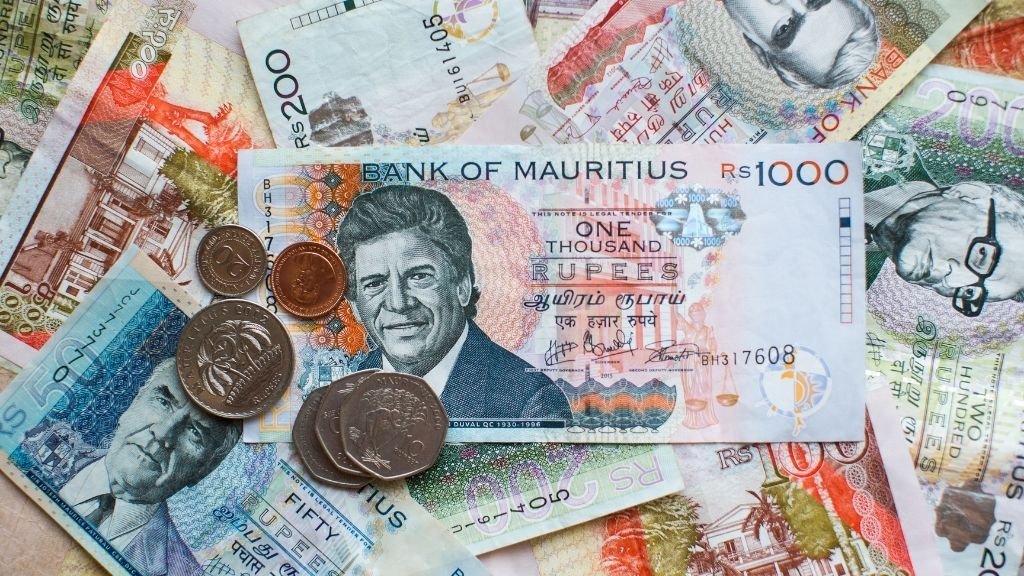
Mauritius offers a different route to investment-grade sovereign credit quality. Unlike resource-rich economies whose credit profiles benefit heavily from oil and gas revenues, Mauritius built its position around economic diversification, a developed services sector, institutional capacity and relatively strong external buffers. The country has maintained an investment-grade sovereign rating for many years, although recent fiscal pressures have placed greater emphasis on preserving that position.
From a Small Island Economy to a Diversified Services Economy
Mauritius has progressively moved beyond its traditional dependence on sugar production to develop a broader economic base. Tourism, financial services, business services and other activities have become important contributors to economic activity and foreign exchange earnings.
The financial sector has been particularly significant. Mauritius has developed an international financial centre that connects investors and businesses across Africa, Asia and other markets. The IMF estimates that the Mauritius International Financial Centre contributes about 8% of GDP, with Global Business Companies accounting for a significant share of inward foreign investment.
This diversification matters for sovereign credit quality because economic activity and foreign exchange earnings are not dependent on a single commodity. In 2025, the economy continued to benefit from tourism and financial services despite a contraction in construction, while real GDP growth remained positive at 3.2%.
Building Institutions That Support Investor Confidence
Economic diversification alone does not explain Mauritius’ credit standing. The development of its financial and regulatory institutions has also been important.
Mauritius has built a relatively sophisticated financial system and has continued to strengthen its public financial management and institutional framework. The country has also maintained access to international capital markets and developed a broad domestic government securities market.
These factors support the ability of the sovereign to manage its financing requirements and provide investors with greater visibility over the country’s economic and financial framework. The development of Mauritius as an international financial centre and its ability to attract Global Business Company inflows have also supported its external financing position.
External Buffers Provide an Important Cushion
Mauritius’ external position has also supported its credit profile. Gross international reserves increased to about US$10.3 billion at the end of 2025 and remained within the IMF’s advisable reserve adequacy range.
These reserves provide a buffer against external shocks, particularly for an economy that is exposed to movements in tourism, global financial conditions, energy prices and international trade. The external cushion becomes especially relevant when global conditions deteriorate or domestic financing pressures increase.
The resilience of the external position has therefore been an important part of the country’s broader sovereign credit strength.
Investment Grade Does Not Mean the Risks Disappear
Mauritius’ experience also demonstrates that an investment-grade rating does not remove fiscal vulnerabilities. Public debt has risen significantly in recent years. The IMF reported public debt at 86% of GDP at end-June 2025 and expects it to remain elevated over the medium term.
Fiscal consolidation has therefore become an important part of maintaining the country’s credit position. The primary deficit was projected to narrow to 3.5% of GDP in FY2025/26, from 6.5% in the previous financial year, although public debt is expected to remain elevated.
Mauritius retained its investment-grade Baa3 rating in the latest review, with the outlook remaining negative amid concerns over the government’s fiscal position. This highlights an important distinction: the country’s existing economic and external strengths continue to support its investment-grade standing, while fiscal consolidation remains important to preserving that position.
The Mauritius Lesson for Emerging Economies
Mauritius’ experience shows that investment-grade credit quality can be built without substantial natural-resource wealth. Economic diversification, institutional development, external buffers and a developed services sector have provided the foundation for its sovereign credit profile.
The more important lesson, however, is that building credit strength and preserving it are different tasks. With public debt still elevated, Mauritius’ experience underscores the need to continually strengthen fiscal buffers while sustaining the economic and external strengths that support its investment-grade position.






Leave A Comment