
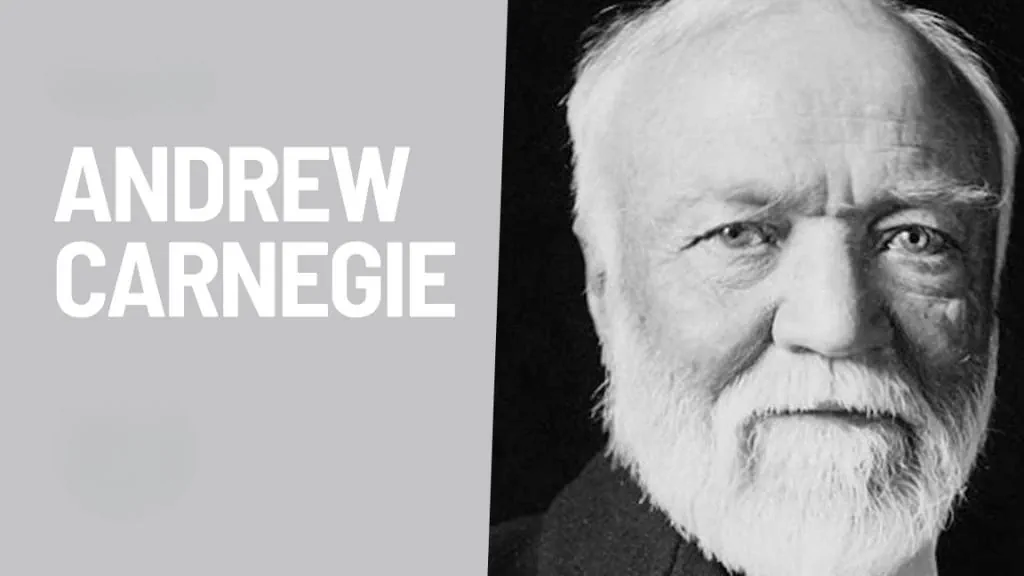
Andrew Carnegie, the Scottish-American industrialist who built one of the largest steel empires of the 19th century, provides a compelling example of how a founder’s vision and management style can shape a company’s operations, governance, and credibility. Unlike modern tech entrepreneurs, Carnegie’s influence was rooted in industrial efficiency, operational control, and strategic foresight.
Operational Discipline as Governance
Carnegie’s management style emphasised vertical integration, process control, and merit-based oversight. By overseeing every stage of production and implementing strict operational standards, he created a corporate culture that reinforced accountability and reduced strategic uncertainty. Modern credit analysis would recognise such practices as indicators of strong management quality and effective governance, which support the company’s ability to meet obligations and manage risk.
Transition and Founder Exit
In 1901, Carnegie sold his company to J. P. Morgan in a cash buyout, exiting day-to-day management. While the sale secured his personal fortune, it also tested the durability of his governance model. For investors and lenders, this transition highlighted a key consideration in credit assessment: how much a company’s stability and risk profile depend on a single founder. The new management inherited Carnegie’s operational systems, but sustaining creditworthiness required institutionalising those principles beyond the founder’s presence.
Risks and Considerations
Even as Carnegie strengthened corporate credibility, there were factors that could affect perceptions of risk:
- Labour relations: The Homestead Strike of 1892 revealed social and operational tensions that could influence perceptions of stability and risk, especially for lenders evaluating long-term credit exposure.
- Founder dependence: Carnegie’s operational control was so central that the company heavily relied on his judgement. Even after the sale, the transition underscored a common founder risk: companies may struggle to maintain the same discipline and credibility once the founder exits, unless governance and management systems are institutionalised.
- Perception of concentration risk: Heavy founder influence can sometimes make external stakeholders cautious. Investors and creditors may perceive that stability and decision-making quality are tied to one individual, affecting risk perception until leadership structures are proven reliable.
Balanced Takeaways for Credit Assessment
Carnegie’s story illustrates the dual nature of founder influence on perceived creditworthiness:
- Credibility Enhancement: Founders can instil operational rigour, strategic discipline, and reliability that increase investor and creditor confidence.
- Concentration Consideration: Overreliance on a single leader may introduce risk if governance and succession mechanisms are not institutionalised.












Leave A Comment